
 +91 9916799135
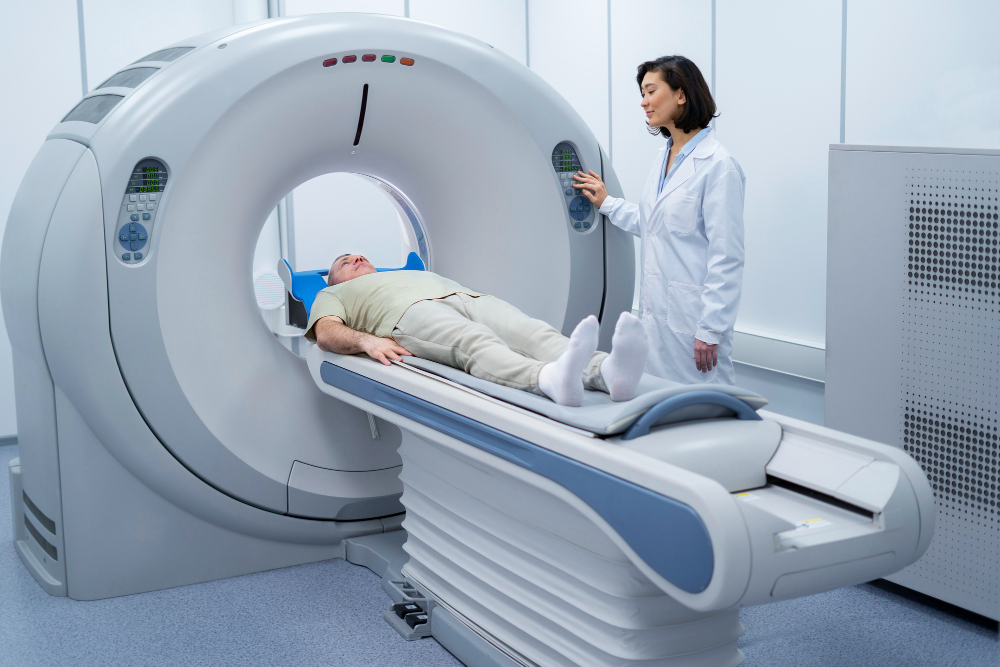
Bone health is often overlooked — until a fracture, back pain, or mobility issue demands attention. In reality, bone loss happens silently over years. Age, lifestyle, hormonal changes, and medical conditions can all weaken bones long before symptoms appear.
This is where Bone Mineral Densitometry (BMD) becomes essential: it helps assess bone strength and fracture risk early, giving you the chance to protect your bone health before problems escalate.
What Is Bone Mineral Densitometry?
Bone Mineral Densitometry (BMD) is a quick, painless scan that measures the density of your bones — indicating how strong, healthy, and fracture-resistant they are.
A BMD scan can detect:
-
Bone thinning (osteopenia)
-
Osteoporosis (advanced bone loss)
-
Early changes in bone strength
-
Areas at higher risk for fractures
The scan uses extremely low doses of radiation, making it safe and reliable for routine screening.
Who Should Consider a BMD Scan?
✔ Women aged 45–50 and above
Post-menopausal hormonal changes accelerate bone loss.
✔ Men over 50 with risk factors
Such as sedentary lifestyle, low-calcium diet, smoking, or alcohol intake.
✔ Individuals with a family history
Genetics play a major role in osteoporosis and fracture risk.
✔ People with chronic medical conditions or medications
Including:
-
Long-term steroid use
-
Thyroid disorders
-
Autoimmune diseases
-
Vitamin D deficiency
✔ Anyone experiencing warning signs
Such as:
-
Back or joint pain
-
Recurrent muscle cramps
-
Brittle bones
-
Frequent minor fractures or falls
If you’re unsure, a baseline BMD scan can provide clarity and help prevent future complications.
Why Early Detection Matters
Early detection gives you the opportunity to:
-
Slow or stop further bone loss
-
Strengthen bones through diet and supplements
-
Begin medications if needed
-
Prevent future fractures
-
Maintain mobility and independence
Strong bones are key to healthy aging — and early intervention makes all the difference.
How Often Should You Repeat a BMD Scan?
The frequency depends on your baseline scan results and risk factors:
-
Normal to mild risk: Every 2–3 years
-
Low bone density or higher risk: Every 1–2 years
-
Osteoporosis or severe risk factors: As recommended by your doctor
Regular monitoring helps track improvements and adjust treatment plans effectively.
What Biotrexxa Offers — and Why It Matters
At Biotrexxa, we make bone health screening accurate, comfortable, and accessible. Our services include:
-
Quick, painless BMD scans
-
Precise bone density reports
-
Expert interpretation by specialists
-
Personalized guidance on nutrition, lifestyle, supplements, and follow-up care
Our focus is to help you understand your bone health clearly — and take the right steps to keep your bones strong for years to come.
Stronger Bones Start With Early Detection
Your bones support every movement, every step, and every activity. A simple BMD scan can protect you from fractures, pain, and long-term complications.
Take control of your bone health — early detection can secure a stronger, healthier future.